
THE FIRST SIGNALThe Face
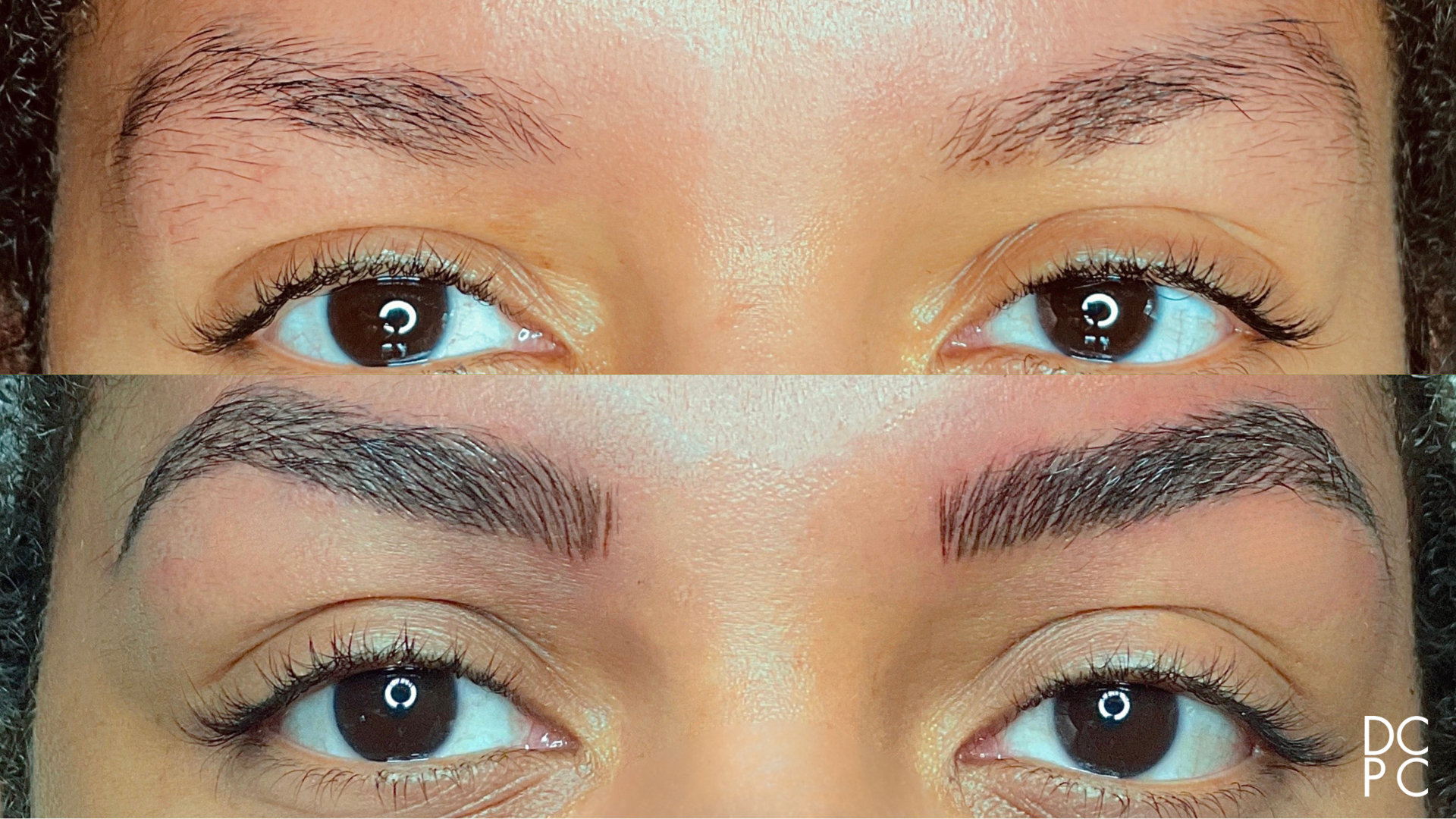
The face is the first point of contact.
The eyebrows frame the gaze.
That is where clarity begins.
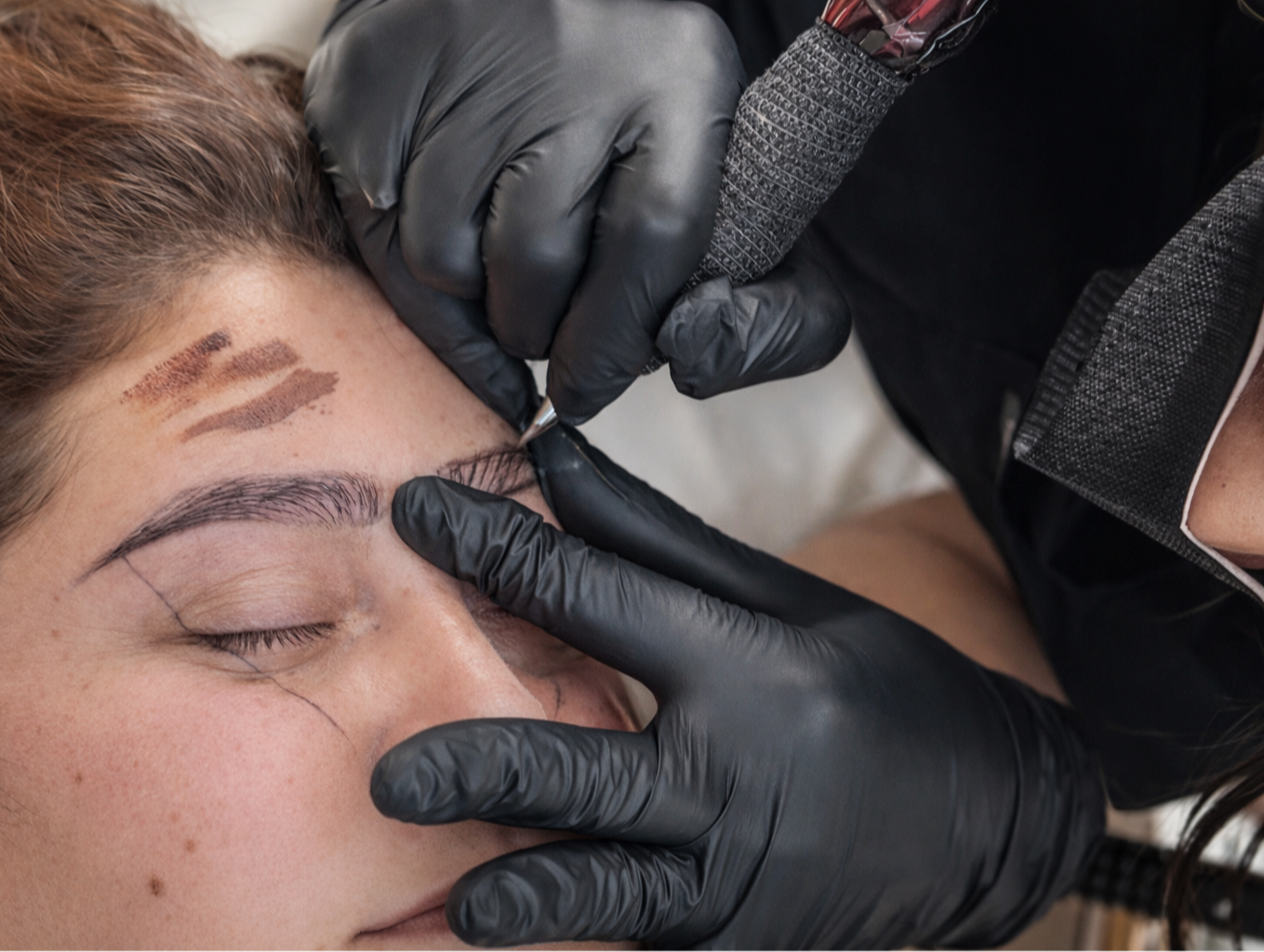
THE CRAFTPermanent Cosmetics
Permanent cosmetics at DCPC are built around one question: how is the face being read now, and what needs to shift?
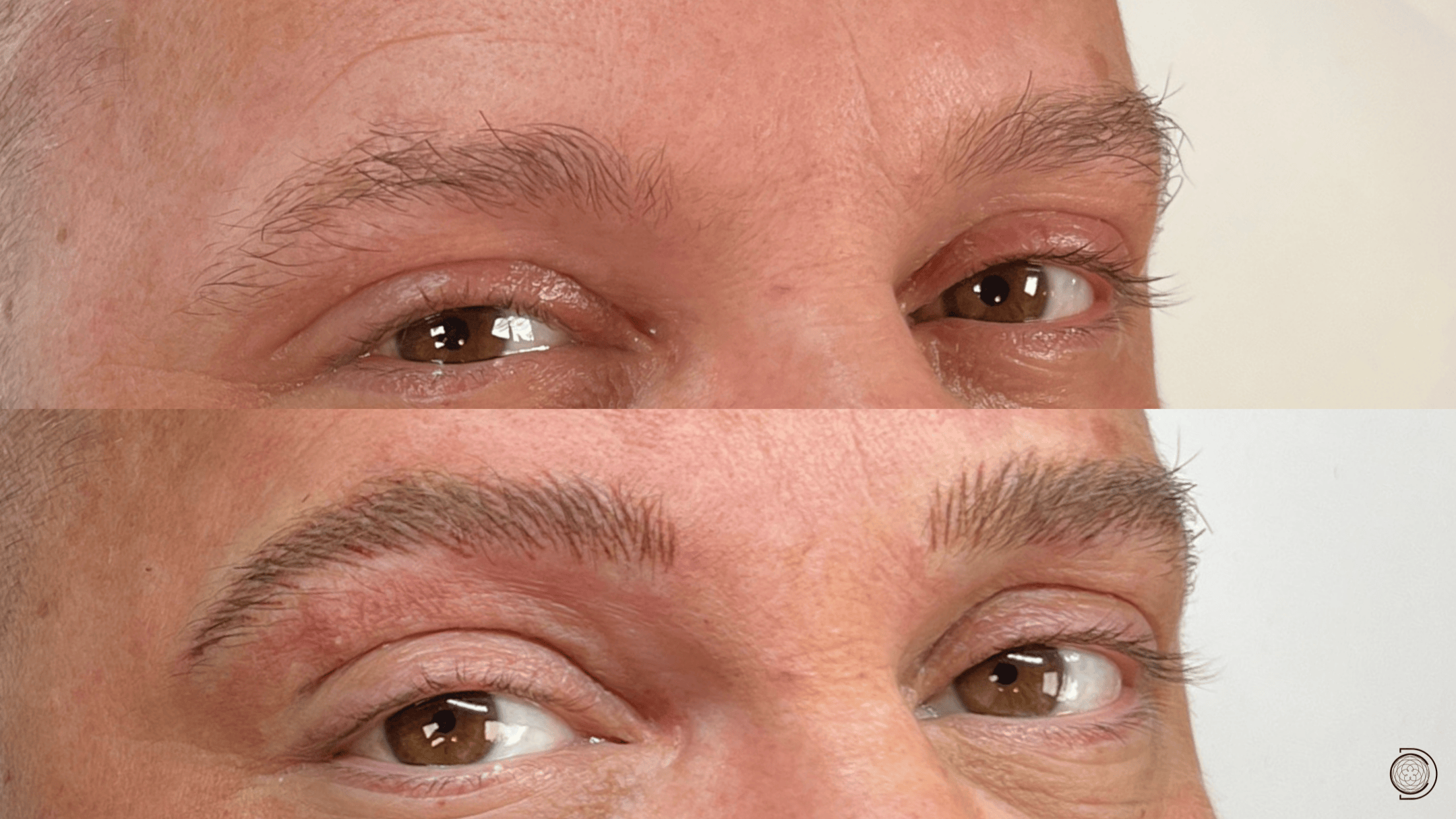
Brows are not a minor detail. They frame the gaze, balance facial features, and direct focus. Old pigment, weak shape, asymmetry, hair loss, and poor framing can all change how you are perceived before you speak.
The work is anatomy-led. Pigment knowledge, shape, density, and long-term wear are calibrated individually. Permanent cosmetics at DCPC includes brow restoration, alopecia support, and refinement of previous brow work — always with the goal of creating results that feel integrated, believable, and true to the person wearing them.
This is not about adding more. It is about building a more accurate read.
THE REFLECTIONSWhat Clients Say
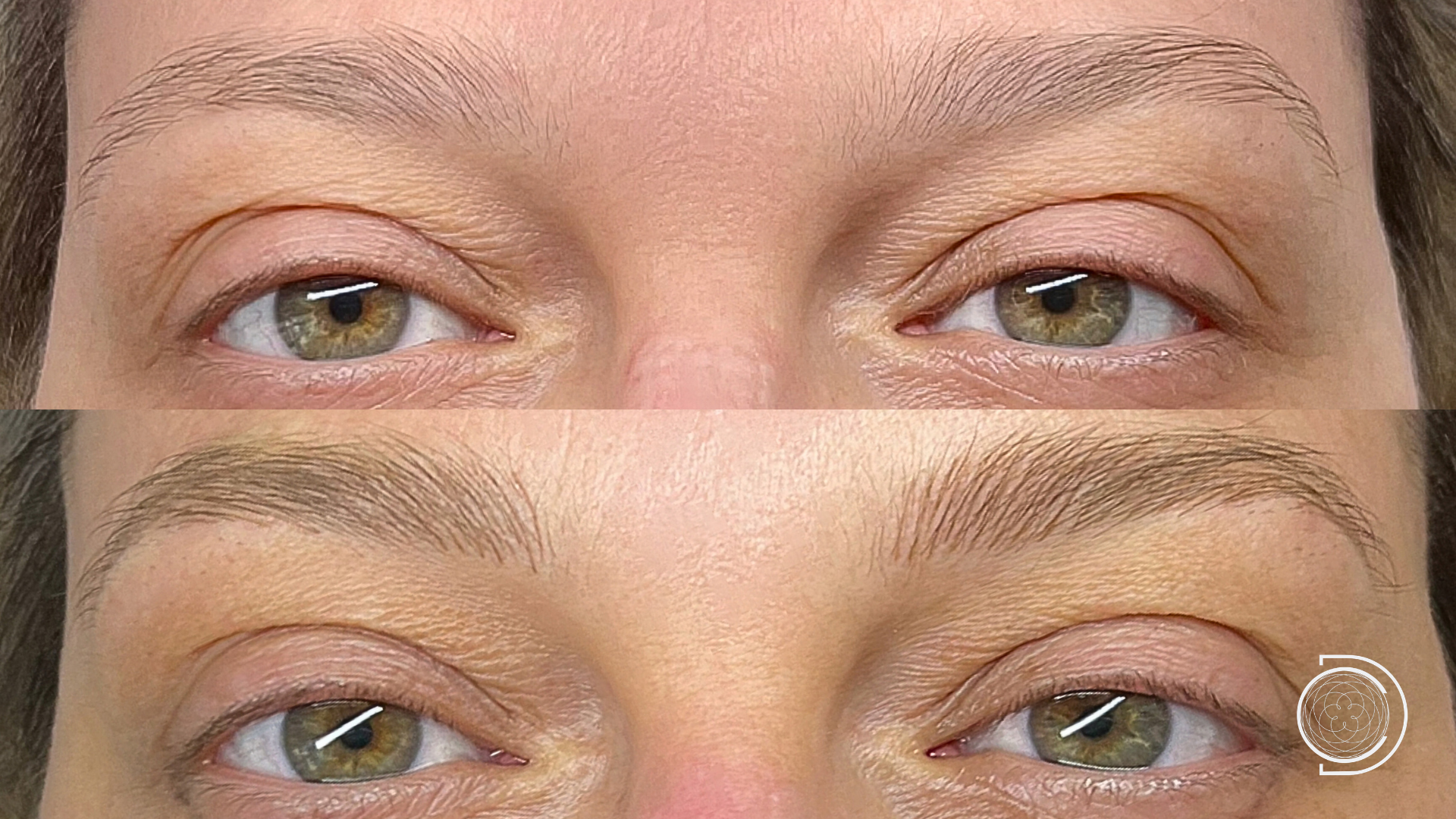
SIGNATURE PATHWAYSDifferent starting points. One standard.
Each pathway begins with the same goal: a brow that supports the face and reads clearly.
FOUNDATIONFor clients starting from scratch.
Shape, pigment, and technique are determined collaboratively and translated into a plan guided by anatomy, tissue behavior, and long-term wear.
MAINTENANCEFor existing DCPC clients.
Designed to preserve the read because the body, skin, and tattoo continue to change over time.
HARMONIZATIONFor brows tattooed outside DCPC.
The goal is to restore balance, clarity, proportion, shape, and color to support what your face needs today.
No public promos or discounts. Complimentary Consultation & Facial Mapping is the only public exception through 12/31/2026.
METHODOLOGYA Structured Approach from Assessment to Review.
Every case begins with evaluation, not assumption.
01
Consultation
We review your goals, skin, anatomy, medical history, and any existing pigment to determine the most responsible starting point. Pre-care is also assessed here, including any changes needed before the procedure to support healing, retention, and overall results.
02
Design
The design is refined with you, not imposed on you. Existing growth pattern, muscle movement, bone structure, and asymmetry are assessed and addressed here. Pigment color and technique are also determined at this stage so the final plan reflects both your features and how the work is intended to heal.
03
Session
Each session follows the plan established during consultation and design. Depending on the case, this may involve new brow work, maintenance, controlled fading, or a phased approach when older or more complex work requires slower progression. Tailored aftercare is provided at this stage, along with a take-home kit prepared for your skin and treatment plan.
04
Review
Healing is tracked through scheduled virtual check-ins so progress, retention, and skin response can be reviewed over time. Once the work heals, we reassess and the next step is determined conservatively.
FAQFrequently Asked — Common Questions
-
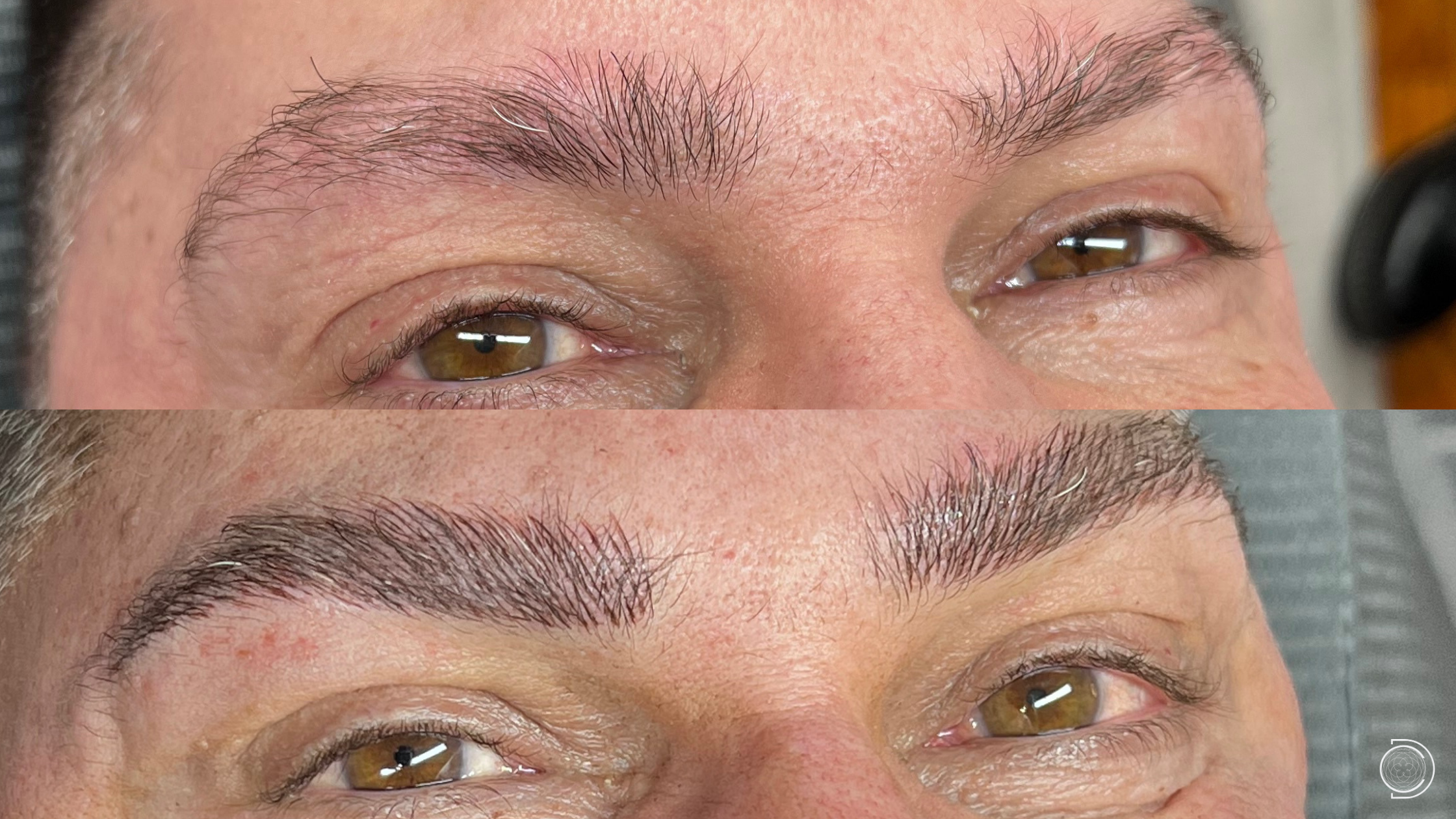
Cosmetic tattoo, also called permanent makeup (PMU) or micropigmentation, is the controlled implantation of pigment into the upper layers of skin to enhance features like brows, lips, and the lash line. It can be performed with hand tools for manual implantation or with tattoo machines tuned for precision and superficial work.
One traditional influence on modern manual technique is Tebori, a Japanese hand-tapping method, and some artists still use Tebori-style pens today.
I've been trained in both Tebori hand tapping and the more widely used microblading method, in addition to machine work-so your plan is always chosen based on your skin and your goals.
-
No. It’s cosmetic tattooing—pigment is implanted into living tissue. What’s not permanent is a perfect, unchanged look forever. Because this is placed in the upper layers of the skin and the face is high-turnover tissue, the tattoo is designed to heal softer and gradually lose definition over time so it can be maintained and refined.
If you stop maintenance, results can fade unevenly, blur, shift in tone (warmer or cooler), and in some clients the tattoo can soften, merge, or migrate—depending on your biology, skincare, sun exposure, oiliness, and how your immune system processes pigment. Touch-ups—and sometimes targeted fading—are normal maintenance for keeping the result controlled, modern, and natural-looking.
A lot of people were told it would ‘just go away.’ In reality, cosmetic tattooing fades, but it doesn’t always disappear evenly—skin and pigment behavior are variable, so maintenance is how you keep it controlled.
-
PMU had a major boom in the U.S. in the mid-2010s. It went viral, and a lot of work suffered. This isn't just a beauty service — it's a government-regulated procedure on living tissue. Sanitation, contraindications, healing variables, depth control, pigment chemistry, and design structure all matter. When training is minimal (or the focus is only money), results get inconsistent and the client pays for it.
My approach is medical meets design. I design for your bone structure, skin, facial movement, and long-term healed result— not whatever is trending on TikTok. My background includes decades of education and experience in PMU, Anatomy and Physiology, and Art and Design (degree from an accredited university). I'm known for artistry, refined aesthetic taste, and meticulous attention to detail.
Just as important: empathy and integrity. I'll tell you what will and won't work, and build a plan that protects and maintains your outcome long-term.
-
A topical anesthetic is applied before I tattoo, and an additional anesthetic designed for open skin is used throughout the appointment as needed.
Most clients feel pressure and a light scratch sensation rather than sharp pain.
Many clients fall asleep during their procedure. The setting and time with me is designed to be soothing and supportive.
-
It’s safe when it’s done in a regulated, controlled environment with proper infection control—and when you’re a medically appropriate candidate.
DCPC is Board of Health licensed, and I’m OSHA Bloodborne Pathogens certified. This is a skin-breaking procedure, so pre-care and aftercare are part of the safety equation.

CONSULTATIONStart With Clarity
A consultation is the first step for anyone who wants an honest read on next steps.
We will look at your starting point, your goals, your anatomy, your skin, and any existing pigment. From there, a plan is built around what your face can support and what your life actually needs.